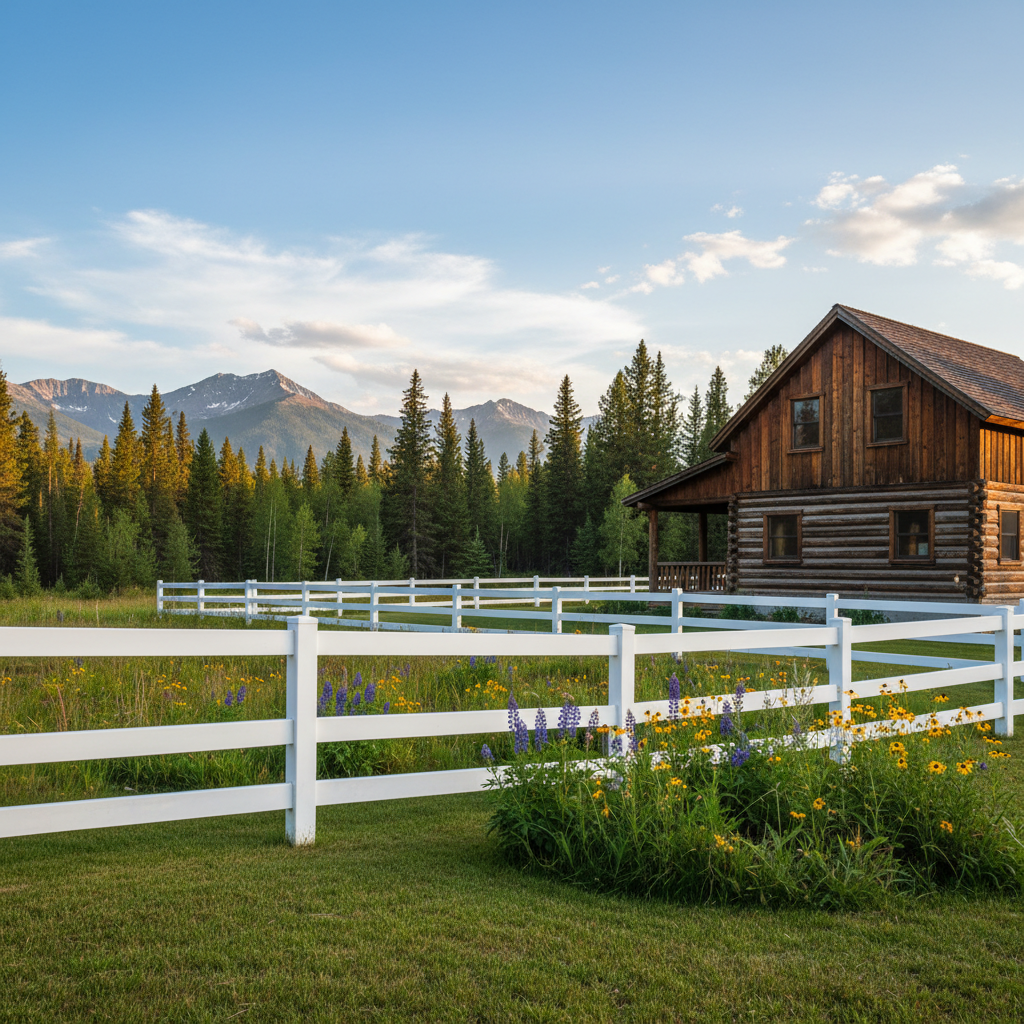
Thinking about painting your fence this year? Good on you. It's not just about curb appeal; a well-painted fence is a protected fence, and around here, protection is key. But getting it right in Whitefish means paying attention to a few things, especially our unique climate.
When to Schedule Your Fence Painting Project
Timing is everything when it comes to exterior painting, and fences are no exception. You can't just slap paint on any old day and expect it to hold up. The sweet spot for fence painting in Whitefish is usually late spring through early fall. That's May, June, July, August, and maybe early September if we're lucky with the weather.
Why then? You need consistent, mild temperatures. Ideally, we're looking for daytime temps between 50 and 85 degrees Fahrenheit. Nighttime temperatures are just as important – they shouldn't drop below 40 degrees for at least 24-48 hours after you've applied the paint. If it gets too cold, the paint won't cure properly, and you'll end up with a flaky mess sooner than you'd like. Too hot, and it can dry too fast, leading to brush marks or poor adhesion.
Another big factor is moisture. You absolutely cannot paint a wet fence. Not even a little damp. The wood needs to be bone dry. That means no rain for a few days before you start, and no heavy morning dew. Our spring and fall can be pretty wet, so you've got to pick your windows carefully. I've seen folks try to rush it after a spring shower, and the paint just peels right off. Don't waste your time or money.
Understanding Whitefish Weather's Impact
Our weather here in Whitefish is beautiful, but it's also tough on exterior surfaces. We get those long, cold winters with heavy snow loads, followed by intense summer sun. Then there's the moisture from Flathead Lake and the surrounding mountains. All of this works against your fence's finish.
- UV Damage: The summer sun, especially at our elevation, is no joke. It breaks down paint pigments and binders, causing fading and chalking. Lighter colors tend to reflect more UV, while darker colors absorb it and can fade faster.
- Moisture: Rain, snow, and even humidity can get into cracks and under compromised paint, leading to rot, mildew, and peeling. This is why proper prep and a good quality primer are non-negotiable.
- Temperature Swings: The constant expansion and contraction of wood as temperatures fluctuate can stress the paint film, causing it to crack over time.
When you're painting, pay attention to the forecast. A clear, dry stretch of several days is your best friend. If rain is predicted, even a light shower, just hold off. It's better to wait than to have to re-do the work.
Protecting Your Investment Year-Round
Painting your fence isn't a one-and-done deal, especially here. To make that investment last, you've got to think about ongoing protection.
First, choose the right materials. Don't skimp on paint or stain. For fences, I generally recommend a good quality exterior acrylic latex paint or a solid or semi-transparent stain. Stains penetrate the wood, offering good protection, and they tend to weather more gracefully than paint, which can sometimes chip. If you go with paint, make sure it's 100% acrylic and designed for exterior use. A good primer is crucial, especially on new wood or if you're changing colors dramatically.
Once it's painted, keep an eye on it. Do a quick inspection every spring and fall. Look for any areas where the paint is starting to chip, peel, or fade. Catching these small issues early can save you a lot of work later. A little touch-up now is a lot easier than a full repaint down the line.
Clean your fence periodically. Dirt, grime, and mildew can build up, holding moisture against the surface and promoting paint failure. A gentle wash with a hose and a soft brush, maybe some mild detergent, can do wonders. Just make sure to let it dry completely before doing any touch-ups.
Also, trim back any vegetation that's growing right up against the fence. Plants hold moisture and can rub against the surface, wearing down the finish. Give your fence some breathing room.
If you're in the Whitefish area and need a hand or just some advice on your fence project, don't hesitate to reach out to us at Whitefish House Painters. We've seen it all and we're always happy to share what we know to help you protect your home.