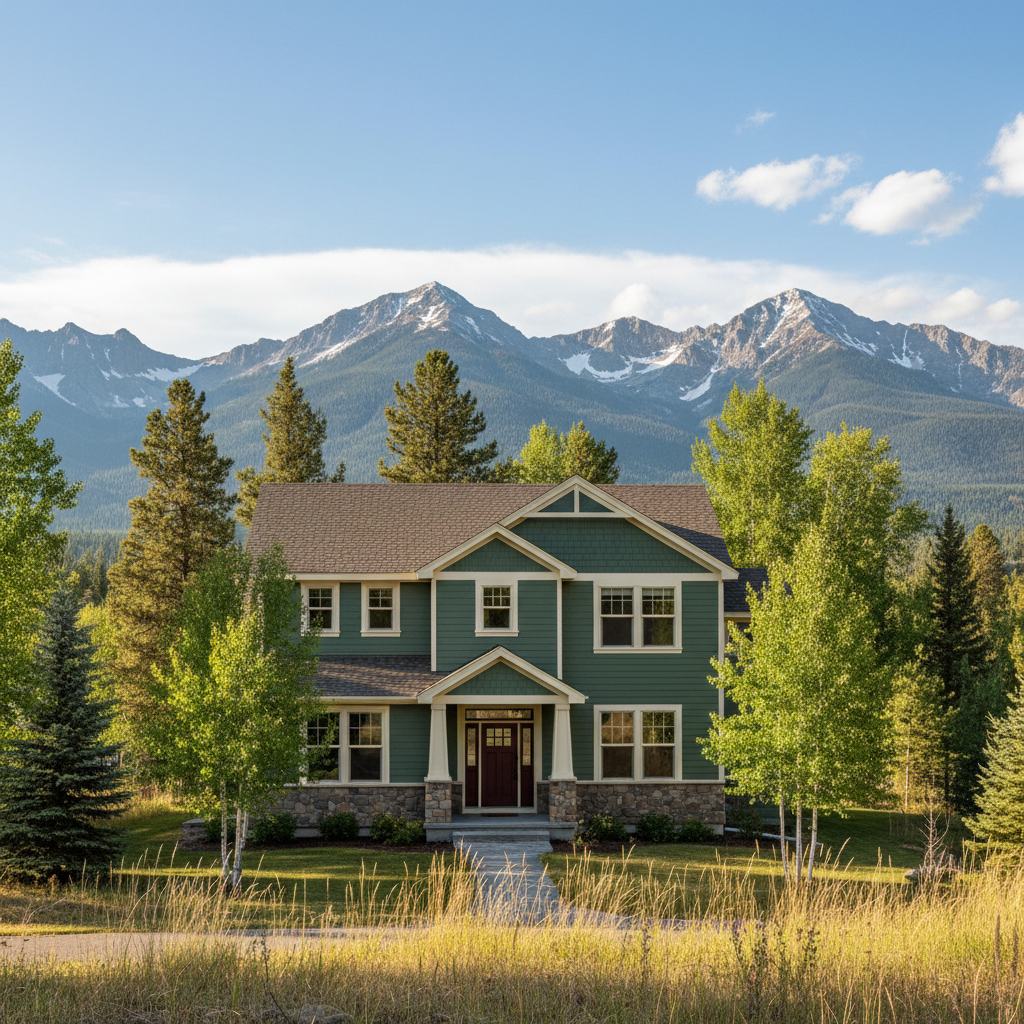
Alright, you've decided it's time to get some paint on your walls, inside or out. Good for you! Now comes the part that can feel like a real headache if you don't know what you're doing: finding the right painter. It's not just about who gives you the lowest price, you know; it's about getting a quality job that actually lasts, from someone you can genuinely trust. I've seen plenty of good work and, frankly, plenty of bad work in this town over the years, so let me give you the straight scoop on how to hire smart.
What to Ask Potential Painters
When you're talking to a painter, don't be shy. You're hiring them for a significant investment in your home, after all, so you have every right to ask some tough questions. Here's what I'd want to know if I were in your shoes:
- Are you licensed and insured? This isn't something you can compromise on. In Montana, painters don't need a specific state license, but they absolutely should have a business license and general liability insurance. This protects *you* if something goes wrong – an accident, property damage, whatever. Ask for proof, too; don't just take their word for it.
- How long have you been in business? Experience really matters. Someone who's been around for a while, especially here in Whitefish, knows the local climate, the common building materials, and what truly works. They've likely got a track record, which is always a good sign.
- Can you provide references? A good painter will be happy to give you a few names and numbers of past clients. Call them! Ask about the quality of work, if they stuck to the schedule, if they were clean, and if there were any surprises.
- What kind of paint and materials do you use? This is huge, probably bigger than most people realize. Cheap paint means a cheap job that won't last. A reputable painter will use quality products from brands like Sherwin-Williams or Benjamin Moore and can explain why they choose certain primers or finishes for your specific project.
- What's your process for surface preparation? Prep work, let me tell you, is 80% of a good paint job. If they just want to slap paint over dirty, peeling surfaces, run the other way. They should talk about cleaning, scraping, sanding, patching, priming, and protecting your landscaping.
- Who will actually be doing the work? Is it the owner? Employees? Subcontractors? This isn't necessarily a deal-breaker, but you want to know who's going to be in and around your home. Make sure they're supervised and qualified.
- What's the estimated timeline? Get a clear idea of when they can start and how long they expect the job to take. Delays happen, especially with Whitefish weather, but you want a realistic expectation.
- Do you offer a warranty? A good painter stands behind their work. Ask about their warranty on labor and materials.
Decoding the Quote: What to Look For
You'll probably get a few quotes, and they might look completely different. Don't just compare the bottom line; you need to understand what you're actually getting.
- Detail, detail, detail. A good quote isn't just a number. It should clearly outline everything included: areas to be painted, specific types and brands of paint, number of coats, prep work (like power washing, scraping, patching), and what's excluded. If it's vague, that's a problem.
- Material vs. Labor. Some quotes break this down, some don't. Either way, make sure you understand what you're paying for in terms of paint and the time it takes to apply it.
- Payment Schedule. Most reputable painters will ask for a deposit, but it shouldn't be a huge chunk of the total upfront. A common structure is a deposit (10-30%), a progress payment, and the final balance upon satisfactory completion. Never pay in full before the job is done.
- Change Order Process. What happens if you decide you want an extra wall painted or change a color mid-job? A good quote will explain how they handle changes and additional costs.
Red Flags You Can't Ignore
I've seen these pop up over the years, and they almost always lead to trouble.
- No contract or a super vague one. If they just want to shake hands, walk away. A detailed contract protects both of you.
- Cash-only deals or huge upfront payments. This screams 'unprofessional' and often means they're trying to avoid taxes or aren't financially stable.
- High-pressure sales tactics.